From glasses to treatment: what myopia teaches us about lazy eye
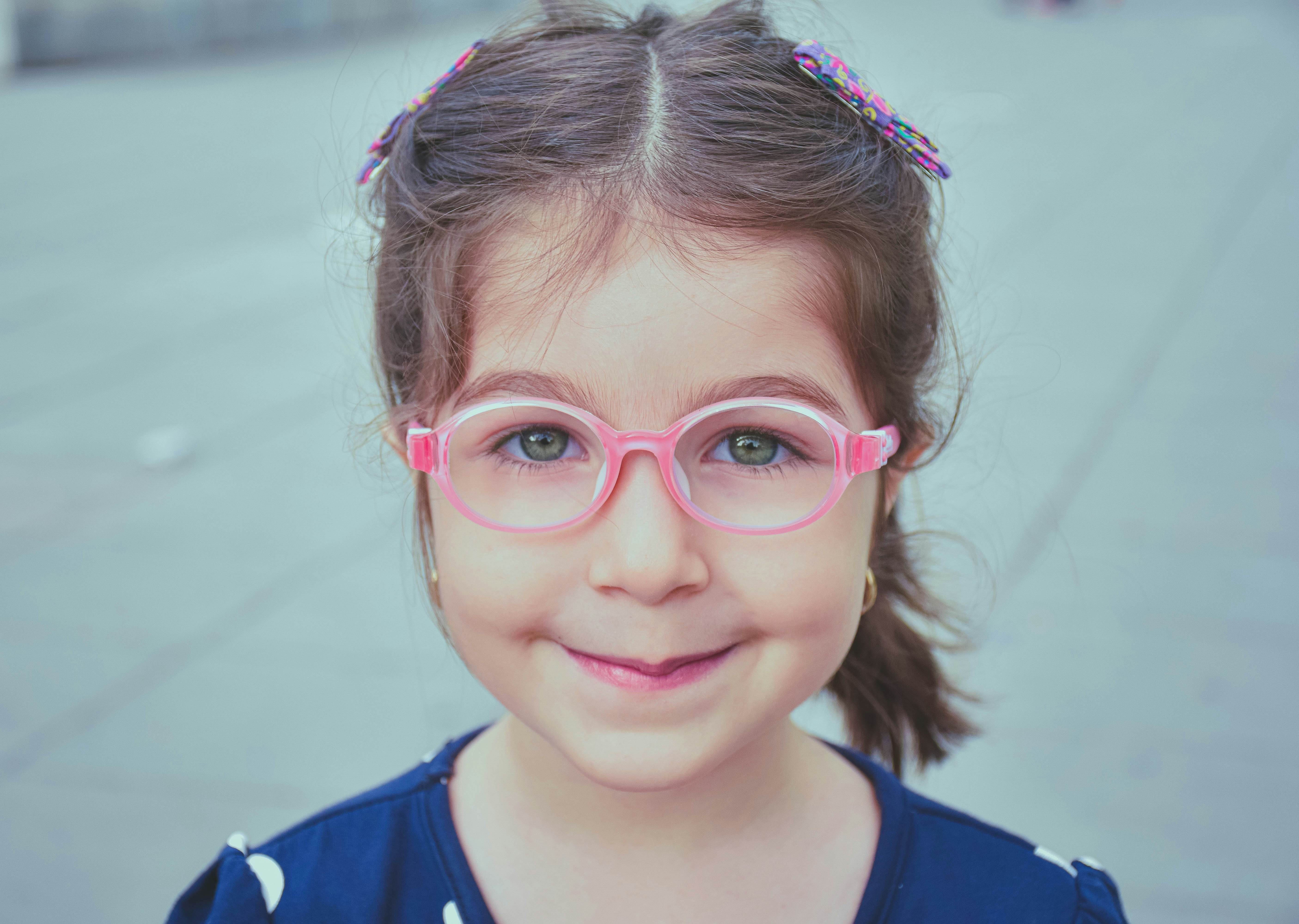
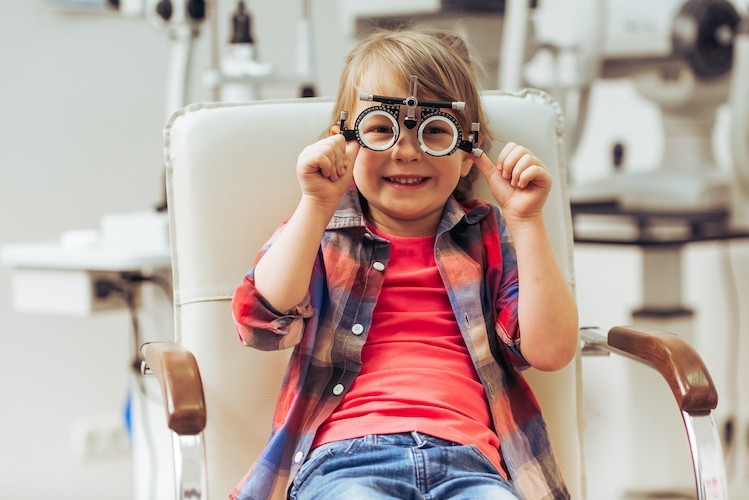
Last year, Europe approved the first eye drops to slow myopia in children. Together with specialised spectacle lenses and contact lenses, that shows how quickly pediatric eye care can change. Where a child used to get glasses and that was it, more and more children now get a treatment, followed up over several years.
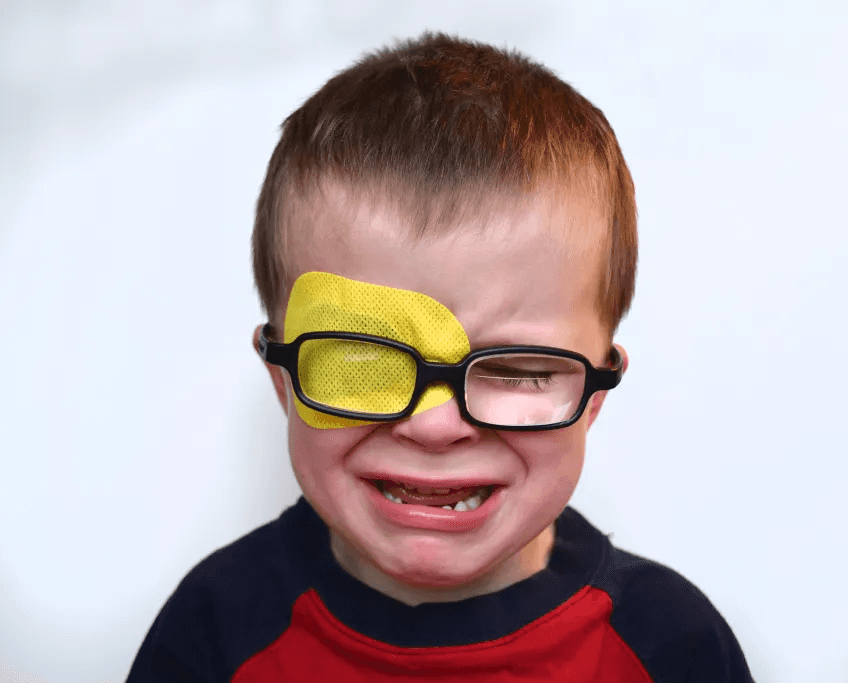
Lazy eye is different. Its treatment has been the same for decades: patching the good eye, often for at least two hours a day. It works, when the child wears it. But every orthoptist knows the stories of parents at the kitchen table, and research shows that children achieve about half of the prescribed hours on average.
What can we learn from myopia?
Three things stand out to me. A new treatment only becomes standard once the evidence is there. The therapy has to be manageable at home, for child and parents. And it has to fit the way a practice works: time is always the limiting factor, so a treatment must be easy to manage and not put extra demands on the clinician.
That is exactly what we are working on at Vedea. Our first randomised study, at the Rotterdam Eye Hospital, showed that children playing our games improved as much as children who were patched, with no serious adverse events. We also learned a great deal about how children play at home, and those lessons are built into the version we will test in a follow-up study with several hospitals.
In the United States, two digital treatments for lazy eye have now been authorised. In Europe, the field is still open. I am convinced that lazy eye will be the next step in pediatric eye care, and I am happy to talk with anyone who wants to help make that happen.
/Daniel Jansen - founder